Good vision is essential for a high quality of life, and maintaining eye health becomes increasingly important as we age. While regular eye check-ups and protective measures against excessive screen time and UV light are crucial, diet also plays a significant role in keeping our eyes healthy. Certain nutrients are known to support vision and reduce the risk of age-related eye conditions. Let’s explore some of the best foods for your eyes and the science behind their benefits.
Key Nutrients for Eye Health
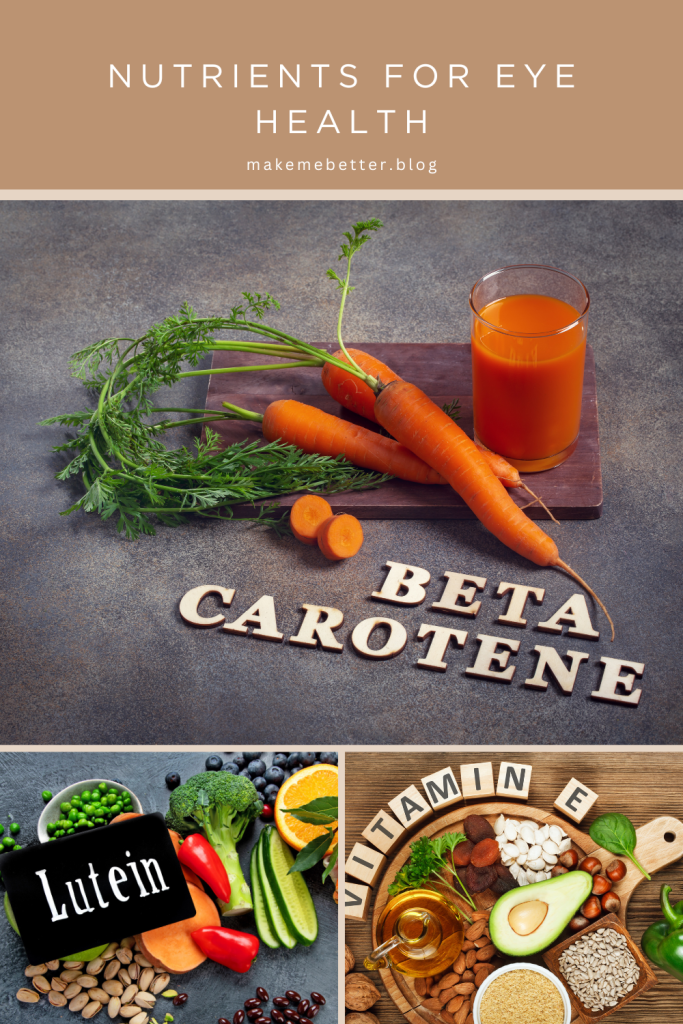
- Vitamin A and Beta-Carotene
- Function: Vital for maintaining the light-sensing cells in the eyes.
- Sources: Carrots, sweet potatoes, spinach, and kale.
2. Lutein and Zeaxanthin
- Function: Protect the eyes from harmful high-energy light waves like ultraviolet rays.
- Sources: Green leafy vegetables such as spinach, kale, and collards, as well as eggs.
3. Vitamin C
- Function: An antioxidant that helps protect the eyes against damage from free radicals.
- Sources: Citrus fruits (oranges, lemons, grapefruits), strawberries, bell peppers, and broccoli.
4. Vitamin E
- Function: Protects eye cells from damage by free radicals.
- Sources: Nuts, seeds, and green leafy vegetables.
5. Omega-3 Fatty Acids
- Function: Essential for visual development and retinal function.
- Sources: Fatty fish (salmon, tuna, sardines), flaxseeds, and walnuts.
6. Zinc
- Function: Helps bring vitamin A from the liver to the retina to produce melanin, a protective pigment in the eyes.
- Sources: Oysters, beef, pork, and legumes.
Top Foods for Eye Health
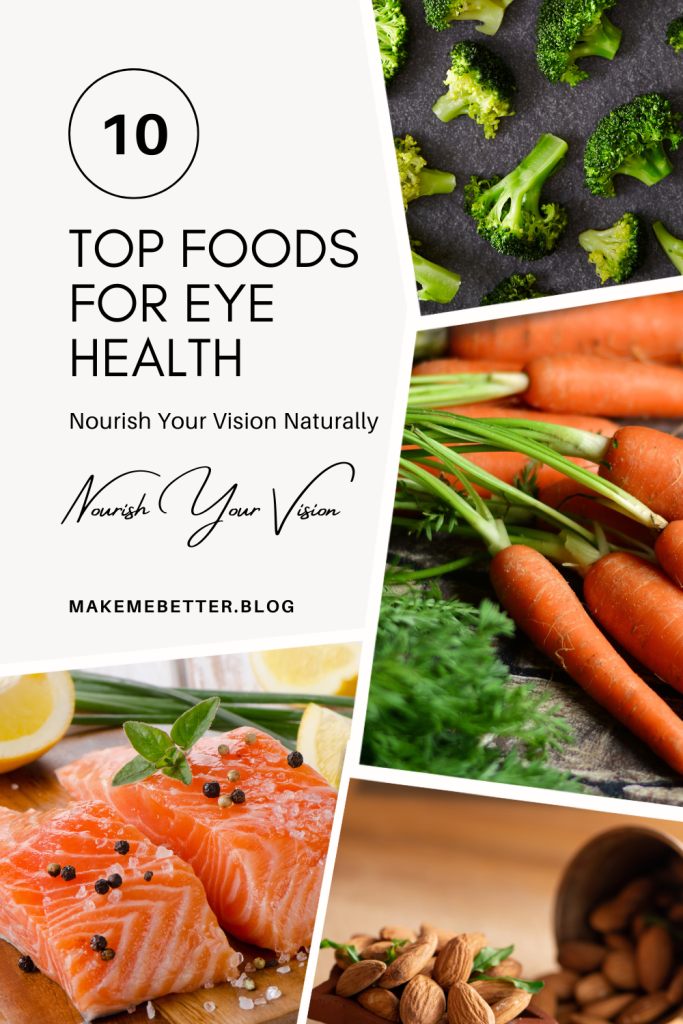
- Carrots
- Benefits: Rich in beta-carotene, which the body converts into vitamin A. Vitamin A is crucial for night vision and preventing dry eyes.
- Ways to Eat: Enjoy raw as a snack, add to salads, or blend into smoothies.
2. Spinach and Kale
- Benefits: High in lutein and zeaxanthin, antioxidants that help reduce the risk of chronic eye diseases like cataracts and age-related macular degeneration (AMD).
- Ways to Eat: Add to salads, blend into smoothies, or sauté as a side dish.
3. Citrus Fruits
- Benefits: Loaded with vitamin C, which supports the health of blood vessels in the eyes and may reduce the risk of cataracts.
- Ways to Eat: Eat as a snack, juice them, or add to fruit salads.
4. Salmon
- Benefits: Packed with omega-3 fatty acids, which can help protect against dry eyes and AMD.
- Ways to Eat: Grill, bake, or add to salads and pasta dishes.
5. Eggs
- Benefits: Contains lutein and zeaxanthin, as well as vitamin E and zinc, making them a nutritional powerhouse for eye health.
- Ways to Eat: Enjoy boiled, scrambled, or as an omelet.
6. Almonds
- Benefits: High in vitamin E, which can help prevent age-related macular degeneration and cataracts.
- Ways to Eat: Snack on them raw, add to cereals or yogurt, or blend into almond butter.
7. Broccoli
- Benefits: Contains a trio of essential eye nutrients: vitamin A (as beta-carotene), vitamin C, and lutein.
- Ways to Eat: Steam, stir-fry, or add to casseroles and soups.
8. Bell Peppers
- Benefits: Rich in vitamin C and beta-carotene, supporting overall eye health and reducing the risk of eye diseases.
- Ways to Eat: Eat raw, add to salads, stir-fries, or stuff with grains and vegetables.
9. Walnuts
- Benefits: High in omega-3 fatty acids, which support retinal health and may help prevent dry eyes.
- Ways to Eat: Snack on them, add to salads, or incorporate into baked goods.
10. Oysters
- Benefits: One of the best sources of zinc, which is vital for maintaining the health of the retina and may help delay AMD.
- Ways to Eat: Enjoy raw, grilled, or baked.
A diet rich in fruits, vegetables, and healthy fats can significantly contribute to maintaining good eye health. By incorporating these nutrient-dense foods into your daily meals, you can help protect your vision and reduce the risk of developing age-related eye conditions. Remember, while diet is a crucial component of eye health, regular eye exams and protective measures are also important in maintaining optimal vision.
Start making these delicious and nutritious foods a regular part of your diet today and give your eyes the nourishment they need to stay healthy and vibrant!
Sources:
- Age-Related Eye Disease Study Research Group. (2001). A randomized, placebo-controlled, clinical trial of high-dose supplementation with vitamins C and E, beta carotene, and zinc for age-related macular degeneration and vision loss. Archives of Ophthalmology, 119(10), 1417-1436.
- Chiu, C. J., & Taylor, A. (2007). Nutritional antioxidants and age-related cataract and maculopathy. Experimental Eye Research, 84(2), 229-245.
- SanGiovanni, J. P., & Chew, E. Y. (2005). The role of omega-3 long-chain polyunsaturated fatty acids in health and disease of the retina. Progress in Retinal and Eye Research, 24(1), 87-138.
 Make Me Better Thrive
Leave a comment