In the world of affiliate marketing, email marketing is one of the most powerful tools in your arsenal. It’s not just about sending promotional emails; it’s about building a relationship with your audience and turning that relationship into revenue. In this article, we’ll explore the essential steps for building and monetizing your email list effectively.
1. Why Email Marketing is Crucial for Affiliate Marketers
Email marketing allows you to communicate directly with your audience, which is vital for affiliate marketing. Unlike social media platforms, where algorithms control who sees your content, your email list is an audience you own. This direct line of communication helps you:
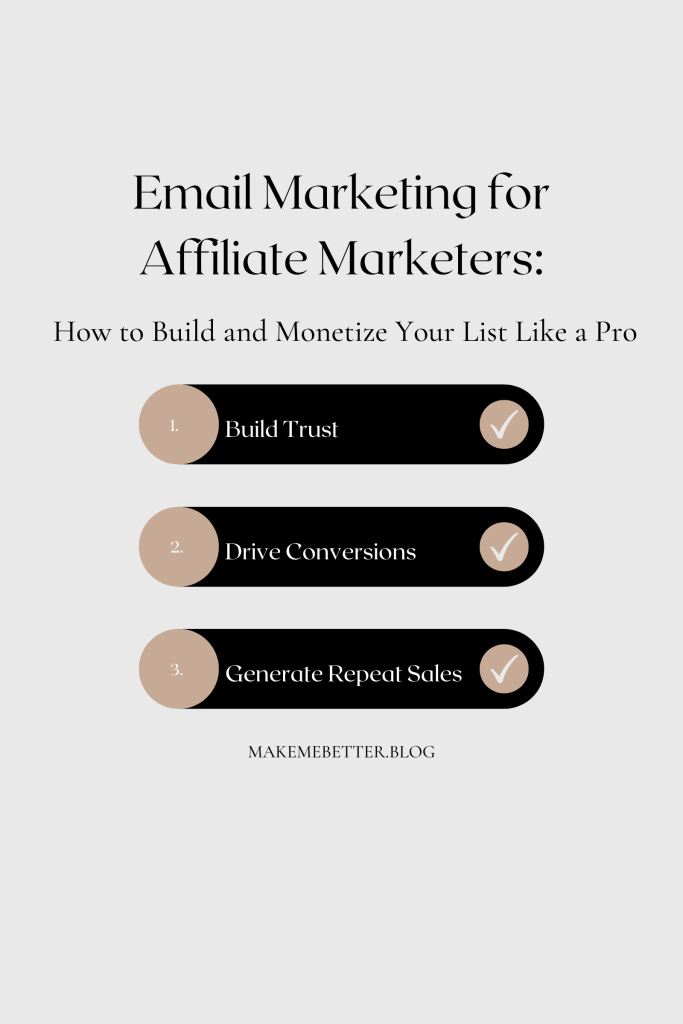
- Build Trust: By consistently delivering value through emails, you can establish a strong relationship with your subscribers, making them more likely to trust your recommendations.
- Drive Conversions: Targeted email campaigns can lead to higher conversion rates, as you can tailor your messaging to the specific needs and interests of your audience.
- Generate Repeat Sales: With email marketing, you can promote multiple products over time, increasing the lifetime value of each subscriber.
2. Building Your Email List: The Foundation of Success
Before you can monetize your list, you need to build it. Here’s how to get started:
A. Create an Irresistible Lead Magnet
A lead magnet is something valuable you offer in exchange for a potential subscriber’s email address. This could be:
- E-books: A short guide or e-book related to your niche.
- Checklists: A simple, actionable checklist that solves a problem for your audience.
- Exclusive Discounts: Offer discounts on products or services you promote as an affiliate.
Your lead magnet should be highly relevant to your target audience and provide immediate value.
B. Optimize Your Sign-Up Forms
Your sign-up forms should be easy to find and fill out. Place them on high-traffic areas of your website, such as:
- Landing Pages: Dedicated pages that focus on a single offer.
- Pop-Ups: Time these strategically so they appear when visitors are most engaged.
- Sidebar Forms: Place these on blog posts or content pages where your audience is already engaged with your content.
Make sure your forms are simple, asking for just the essential information—usually just a name and email address.
C. Drive Traffic to Your Sign-Up Forms
Once your forms are in place, it’s time to drive traffic to them. You can do this through:
- Content Marketing: Write blog posts, create videos, or share infographics that direct viewers to your sign-up form.
- Social Media: Share your lead magnet and encourage your followers to subscribe.
- Paid Advertising: Use platforms like Facebook Ads or Google Ads to target specific audiences with your lead magnet.
3. Monetizing Your Email List: Turning Subscribers into Revenue
Now that you have a growing list of subscribers, it’s time to monetize it. Here’s how:
A. Segment Your List
Segmentation is the process of dividing your email list into smaller groups based on certain criteria, such as:
- Purchase History: Have they bought a product you promoted before?
- Engagement Level: Are they opening your emails regularly?
- Interests: What specific topics or products have they shown interest in?
By segmenting your list, you can send more targeted and relevant emails, which leads to higher engagement and conversion rates.
B. Craft High-Converting Emails
The key to monetizing your list is sending emails that convert. Here are some tips:
- Write Compelling Subject Lines: The subject line is the first thing your subscribers see, so make it count. It should be attention-grabbing and relevant to the content inside.
- Provide Value First: Don’t just push products. Offer valuable content, such as tips, advice, or exclusive insights, to keep your audience engaged.
- Include Clear Calls-to-Action (CTAs): Every email should have a clear CTA, guiding your subscribers on what to do next—whether it’s clicking a link, making a purchase, or signing up for a webinar.
C. Promote Affiliate Offers Strategically
When it comes to promoting affiliate products, timing is everything. Here’s how to do it effectively:
- Use a Soft Sell Approach: Rather than bombarding your list with hard-sell emails, introduce affiliate products subtly. For example, include product recommendations in a valuable content email.
- Create a Product Launch Sequence: If you’re promoting a big-ticket item, consider creating a sequence of emails leading up to the launch, building anticipation, and addressing potential objections.
- Test and Optimize: Track the performance of your emails and make adjustments as needed. Test different subject lines, email content, and CTAs to see what resonates most with your audience.
4. Maintaining and Growing Your List
To keep your email list healthy and growing, follow these best practices:
- Regularly Clean Your List: Remove inactive subscribers who haven’t engaged with your emails in a while. This helps maintain high deliverability rates and ensures your list remains active.
- Engage Consistently: Send regular emails to keep your subscribers engaged. Consistency is key to maintaining a relationship with your audience.
- Continuously Offer Value: Keep providing valuable content, even if you’re not promoting anything. This keeps your subscribers interested and more likely to respond positively when you do have something to sell.
Conclusion
Email marketing is a powerful tool for affiliate marketers, offering a direct line to an engaged audience that can be monetized effectively. By building a targeted email list, providing value, and promoting affiliate offers strategically, you can turn your email marketing efforts into a consistent revenue stream. Whether you’re just starting or looking to optimize your current strategy, focusing on email marketing can significantly boost your affiliate marketing success.
Ready to take your affiliate marketing to the next level? 🎯 Enroll in Sara Finance’s Affiliate Marketing Course today and start building your path to passive income success!

 Make Me Better Thrive
Leave a comment