Affiliate marketing is one of the most popular ways to make money online. Promoting products you love while earning commissions sounds like a dream job, right? But, like anything that promises big financial gains, affiliate marketing also attracts scammers. If you’re new to the game, it’s crucial to spot the warning signs before they drain your wallet. Let’s break down how to avoid affiliate marketing scams and thrive in the online business world.
1. Beware of “Too Good to Be True” Promises
If an affiliate marketing program is promising you tens of thousands of dollars overnight, run the other way. Scammers love to lure people in with flashy promises of instant wealth, but legitimate affiliate marketing requires time, effort, and strategy. If you encounter offers like “Make $10,000 in one month with zero experience,” it’s a red flag. Remember, in affiliate marketing (like anything else), success takes work.
2. Research the Company or Program
Before joining any affiliate program, do your homework. Research the company’s background, read reviews, and see if others have had positive experiences. Use trusted websites and forums where affiliate marketers share their experiences. If you can’t find much about a company—or worse, you find several complaints—steer clear.
Check for things like:
- Transparent payment structures
- Active customer support
- Legal business information
Legitimate affiliate programs will have a strong online presence, positive reviews, and clear terms and conditions.
3. Look for Upfront Fees
Be wary of programs that charge you a significant amount of money to join. Most reputable affiliate marketing programs (like Amazon Associates, ShareASale, or ClickBank) are free to join. If a program requires you to pay hundreds or thousands of dollars upfront just to become an affiliate, it might be a scam or a shady multi-level marketing (MLM) scheme disguised as affiliate marketing.
4. Avoid High-Pressure Sales Tactics
Scammers often use high-pressure tactics to make you act quickly. Whether it’s a limited-time offer or a countdown timer on the signup page, don’t fall for it. Legitimate affiliate programs won’t push you into making quick decisions—they know quality affiliates will come to them. If you feel rushed or pressured, take a step back.
5. Check the Product or Service Quality
A scammy affiliate program often promotes low-quality products or services that no one needs or uses. Make sure the product you’re promoting adds value and solves a real problem. If you can’t find any genuine reviews or customer feedback about the product, be cautious. A rule of thumb in affiliate marketing is to promote only products you believe in—don’t just chase commissions.
6. Read the Fine Print on Commissions
Some affiliate programs have complicated commission structures or terms that could end up cheating you out of your hard-earned commissions. Always read the fine print. Check for things like:
- Payout thresholds (How much do you need to earn before you can get paid?)
- Cookie duration (How long do you get credit for referring a customer?)
- Commission rate (What percentage will you earn for each sale?)
A transparent and reliable program will outline all this clearly. If things seem vague or confusing, it might be a sign to move on.
7. Check for a Reliable Payment Method
Legitimate affiliate programs offer well-known and secure payment methods such as PayPal, direct bank transfers, or checks. Be wary of companies that ask for payment details through unconventional methods or promise to send your commissions in unverified ways. Your payment information should be protected, and reliable payment schedules should be part of the deal.
8. Trust Your Instincts
Sometimes, your gut feeling is the best tool in avoiding scams. If something feels off about a program, it probably is. Whether it’s the flashy promises, unclear commission structure, or lack of information about the company, trust your instincts. There’s no shortage of legitimate affiliate programs, so don’t settle for something that doesn’t feel right.
9. Verify the Legitimacy of Testimonials
Scam programs often feature fake testimonials to convince people to join. They might use stock photos or fabricated stories of people “making millions.” If the testimonials seem too perfect or scripted, be cautious. Look for genuine video reviews, in-depth case studies, or endorsements from reputable sources. A quick Google image search can reveal whether a photo used in a testimonial is just a stock image.
10. Join Trusted Affiliate Networks
One of the best ways to avoid affiliate marketing scams is to stick with well-known affiliate networks. Platforms like Amazon Associates, CJ Affiliate, ShareASale, and Rakuten Marketing are established, trusted, and have a large pool of legitimate brands and products to promote. These networks provide a level of security, as they vet the companies and ensure payments are processed correctly.
Conclusion: Stay Smart, Stay Safe
Affiliate marketing is a legitimate way to earn passive income, but scams are everywhere. By doing thorough research, trusting your instincts, and sticking to reputable companies and programs, you can avoid the traps set by scammers. Remember, if something sounds too good to be true, it usually is. Keep your eyes open, stay cautious, and enjoy the rewards of real affiliate marketing.
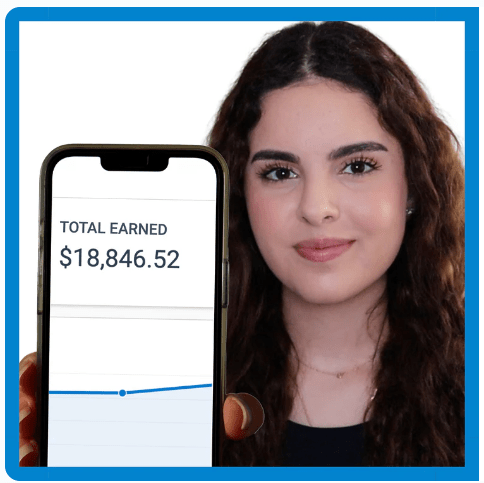
Ready to dive into affiliate marketing with confidence? Check out the Affiliate Marketing Course by Sara Finance! Get expert tips, strategies, and avoid common pitfalls. Sign up today and start your journey to success!
 Make Me Better Thrive
Leave a comment