Driving traffic to your website is a critical part of affiliate marketing, but converting that traffic into actual sales is where the real challenge lies. It’s not enough to simply get visitors to your content; you need to turn those visitors into paying customers. This process requires a focus on trust-building, optimizing the user experience, and continuously testing and refining your approach. Below are three proven strategies to help you convert traffic into sales: creating honest reviews, focusing on user experience, and A/B testing your methods.
1. Create Honest and Authentic Reviews
One of the most effective ways to boost conversions in affiliate marketing is by creating honest, in-depth reviews of the products you’re promoting. Customers today are highly informed and can often tell the difference between a genuine recommendation and a sales pitch. When you focus on honesty, your audience will trust your opinions, which increases the likelihood of them making a purchase.
Key Tips for Creating Honest Reviews:
- Be transparent about pros and cons: Rather than sugarcoating a product, be honest about its benefits and drawbacks. This transparency shows your audience that you have their best interests at heart.
- Provide personal experiences: If you’ve personally used the product, share your experience. This personal touch creates a connection with your audience and gives credibility to your review.
- Compare with alternatives: Give your readers options by comparing the product to similar alternatives. Helping them make an informed decision builds trust, which is essential for long-term success.
Why It Works:
Authentic reviews help build trust, which is the cornerstone of affiliate marketing. When your audience trusts your opinion, they are more likely to click your affiliate link and make a purchase. In turn, this boosts your conversion rate and increases your affiliate earnings.
2. Focus on User Experience (UX)
The user experience on your website or platform plays a significant role in whether visitors convert into paying customers. A seamless, intuitive, and enjoyable user experience encourages visitors to stay longer, explore your content, and take action. If your website is slow, cluttered, or confusing, even the most interested potential buyers may leave without making a purchase.
Key Tips for Improving User Experience:
- Fast loading times: Ensure your website loads quickly. A slow site frustrates users and increases bounce rates, reducing the chances of conversion.
- Clear navigation and layout: Make sure it’s easy for users to find what they’re looking for. Keep your design clean and avoid overwhelming visitors with too many options.
- Mobile optimization: With so many users accessing websites via mobile, make sure your site is mobile-friendly. Test your layout, buttons, and features on multiple devices.
- Simple and direct CTAs: Your calls-to-action (CTAs) should be clear, concise, and compelling. Use action-oriented words like “Buy Now,” “Learn More,” or “Sign Up Today.”
Why It Works:
A good user experience reduces friction, allowing visitors to easily move through your content and click on your affiliate links. The better the experience, the more likely they are to trust your recommendations and complete a purchase.
3. A/B Test Your Strategies
To truly maximize your conversions, you need to constantly experiment with different approaches to see what works best for your audience. A/B testing is a powerful way to test various elements of your website, content, and marketing strategies. By comparing two versions of a webpage or piece of content (A and B), you can determine which version drives more sales or conversions.
Key Elements to A/B Test:
- Headlines: Try different headline styles to see which grabs the most attention and leads to clicks.
- Calls-to-Action (CTAs): Test different CTA button designs, wording, and placement to see what encourages the most conversions.
- Content layout: Experiment with how you organize your content. Do shorter, snappier sections convert better than long-form content? Does placing reviews higher on the page lead to more clicks?
- Color schemes and visuals: Sometimes, something as simple as changing a color scheme can make a difference in conversions. Test different color palettes, images, and fonts to find the most effective design.
Why It Works:
A/B testing provides valuable data on what resonates with your audience, allowing you to refine your approach over time. Even small adjustments, like tweaking a headline or CTA, can lead to significant improvements in conversions.
Final Thoughts
Converting traffic into sales is the ultimate goal in affiliate marketing, but it requires a combination of strategies that prioritize trust, user experience, and continuous optimization. By creating honest reviews that resonate with your audience, improving the overall user experience on your website, and conducting A/B tests to fine-tune your approach, you can significantly boost your conversion rates and achieve long-term success.
Remember, converting traffic is not a one-time task—it’s an ongoing process that requires experimentation, patience, and adaptation. With these strategies, you’ll be well on your way to turning more of your website traffic into loyal, paying customers.
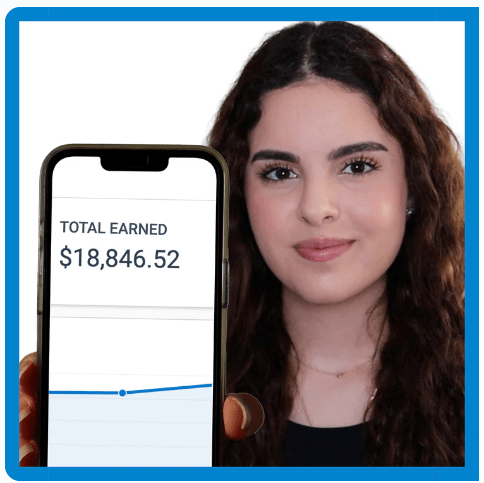
Learn the strategies top marketers use to drive traffic and boost conversions with this comprehensive affiliate marketing course! Start today and unlock your earning potential! 💸
 Make Me Better Thrive
Leave a comment