When venturing into the world of affiliate marketing, one of the most crucial decisions you’ll make is choosing the right products to promote. Should you go for high-ticket items, which come with hefty price tags but offer potentially large commissions? Or, should you focus on low-ticket products that sell quickly and in higher volumes? Both approaches have their pros and cons, and what works best will depend on your goals, audience, and strategy.

Let’s dive into a breakdown of high-ticket vs. low-ticket products and explore which might be more lucrative for you.
High-Ticket Products: Quality Over Quantity
High-ticket products are expensive items, often priced at several hundred or even thousands of dollars. Examples include luxury goods, premium software, high-end electronics, online courses, or coaching programs. These products tend to come with higher commissions, usually a percentage of the sale or a fixed large amount.
Pros of Promoting High-Ticket Products
- Higher Commission Per Sale
The biggest advantage is obvious: one sale can result in a hefty commission. For instance, if you promote a $1,000 product with a 20% commission, that’s a $200 payout from just one customer. If you’re targeting affluent buyers or selling high-value services, the potential to earn significantly with fewer sales is high. - Less Volume, More Focus
You don’t need to drive tons of traffic or secure many sales to hit your income targets. Focusing on fewer, high-quality customers can simplify your marketing efforts. This allows you to invest more time and energy into personalizing your approach and building trust with your audience. - Perceived Value
High-ticket items usually offer premium features, excellent quality, and exceptional customer support, which makes them appealing to buyers who are willing to pay for the best. If you align your brand with these products, you’re likely to gain credibility and trust in your niche.
Cons of Promoting High-Ticket Products
- Higher Barriers to Conversion
The biggest challenge in promoting high-ticket products is convincing your audience to make a significant financial commitment. People tend to think longer and harder before buying expensive items, meaning longer sales cycles and more effort to convert leads into buyers. - Niche Market
High-ticket products usually appeal to a smaller, more specialized audience. If your target market isn’t accustomed to spending big or doesn’t see the value in high-end products, your sales could suffer. - Fewer Opportunities for Impulse Buys
Unlike low-ticket products that people can buy on a whim, high-ticket items often require research, comparison, and more extensive decision-making. This means your content needs to be highly persuasive and educational.
Low-Ticket Products: Quantity Over Quality
Low-ticket products, on the other hand, are affordable, typically priced below $100. These can range from everyday consumer goods, digital downloads, and small gadgets to entry-level online services or subscription boxes. The commissions on these products are smaller, usually a few dollars per sale.
Pros of Promoting Low-Ticket Products
- Higher Volume of Sales
Low-ticket products tend to have wider appeal and sell quickly due to their affordability. You’ll have a greater chance of making more frequent sales, especially if your marketing targets a broad audience. - Shorter Sales Cycles
Because the financial commitment is smaller, customers are more likely to make quick purchase decisions. The ease of purchase means you’ll likely convert leads faster and more frequently. - Accessible to Larger Audiences
Low-ticket items appeal to a broad demographic. Almost anyone can afford a $30 product, so your potential customer base is much larger. This means you can focus on driving more traffic rather than refining your sales pitch. - Repeat Business
Low-ticket items often lend themselves to repeat purchases or upselling opportunities. If someone enjoys a $15 product, they might come back for more or be easily upsold on related items, generating more commissions over time.
Cons of Promoting Low-Ticket Products
- Lower Commission Per Sale
The most obvious downside: it takes a lot more sales to make significant income. For instance, promoting a product with a $10 commission would require 20 sales to earn $200—the same amount you’d make from just one sale of a high-ticket item. - Higher Volume of Traffic Needed
To earn a substantial income from low-ticket products, you need consistent, high-volume traffic. This means investing more time in content creation, lead generation, and conversion optimization to attract large numbers of potential buyers. - Competitive Market
Since low-ticket products are more accessible, the market can be oversaturated with affiliates. Competing with others on popular products may make it harder to stand out unless you can offer unique insights or added value.
Which Is More Lucrative?
The answer to which strategy is more lucrative depends on your specific goals, audience, and marketing approach.
- If you prefer selling fewer products at higher commissions, promoting high-ticket items could be more lucrative. However, you’ll need to master the art of persuasive marketing and build trust with an audience willing to invest in premium goods or services.
- If your strength is driving high traffic or engaging with a broad audience, promoting low-ticket products might work better for you. With the potential for quicker, more frequent sales, this can be a steady and scalable approach if you have access to large pools of customers.
A Hybrid Approach: The Best of Both Worlds
For many affiliates, combining high-ticket and low-ticket products is the most effective strategy. Offering both allows you to capture a wide range of buyers and diversify your income streams.
For example:
- Use low-ticket products to build trust and attract customers.
- Gradually introduce high-ticket products as upsells or premium recommendations to your established audience.
This hybrid approach can maximize your earnings by leveraging both frequent small sales and occasional big commissions.
Conclusion
In affiliate marketing, both high-ticket and low-ticket products offer unique advantages. High-ticket items can lead to significant commissions from fewer sales, while low-ticket products allow for higher sales volume and broader appeal. The best strategy depends on your strengths, audience, and willingness to adapt your marketing style. Whether you opt for high-ticket, low-ticket, or a mix of both, the key is to choose products that align with your brand and resonate with your target market.
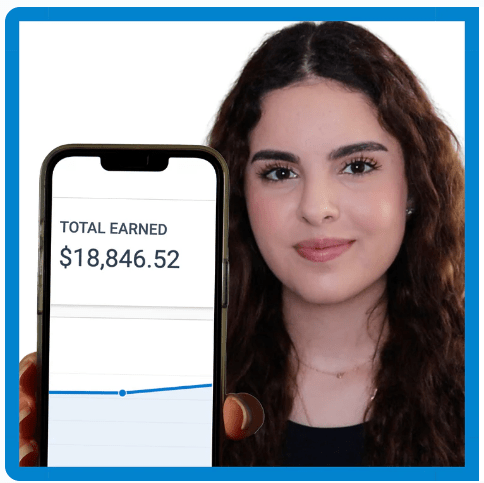
Want to start earning more through affiliate marketing? Check out Sara Finance’s course to learn the proven strategies for success!
 Make Me Better Thrive
Leave a comment