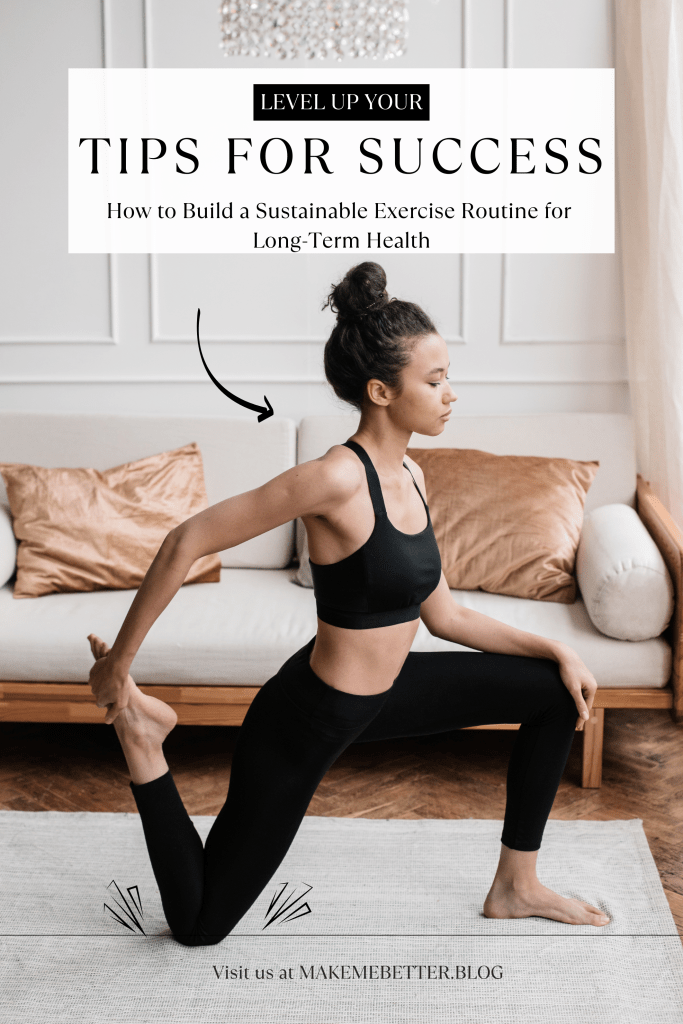
Building an exercise routine that lasts beyond the excitement of New Year’s resolutions or a sudden burst of motivation can seem like a challenge. Many people start strong but lose steam after a few weeks. The secret to long-term health isn’t found in short bursts of intense workouts or crash fitness trends—it’s all about creating a sustainable routine that works for your life, day in and day out. Here’s how you can build an exercise habit that sticks and supports your health for the long haul.
1. Set Realistic, Achievable Goals
Before jumping into a workout plan, take a moment to define what you want to achieve. Are you aiming to improve cardiovascular health, build muscle, lose weight, or simply feel more energized? Be specific, but keep your goals realistic. Instead of aiming to run a marathon in three months when you’ve never run before, set smaller goals like completing a 5K or working out three times a week.
Break down your big goals into manageable steps. This makes your progress more achievable and gives you a sense of accomplishment that keeps you motivated. Think of it as laying a foundation for your long-term health.
2. Start Small and Build Consistency
One of the biggest mistakes people make when starting a new exercise routine is doing too much too soon. Instead of going from zero to seven days a week at the gym, start small. Try committing to 20–30 minutes of activity, three days a week, and gradually increase your time and frequency as your body adapts.
Consistency is key. A sustainable routine is one that you can maintain over time, even when life gets busy. If you set manageable targets, you’re more likely to keep going and build a habit that sticks.
3. Choose Activities You Actually Enjoy
You don’t have to force yourself into a workout you hate. The beauty of exercise is that it comes in many forms. From hiking and swimming to dancing or biking, there’s an activity for everyone. The more you enjoy it, the more likely you are to stick with it.
Experiment with different types of exercise until you find something that sparks joy. Whether it’s a group fitness class, yoga, or solo runs, doing what you love turns your routine from a chore into something you look forward to.
4. Incorporate Variety and Rest Days
Repetition can lead to boredom, and boredom often leads to quitting. Keep your routine fresh by incorporating a variety of exercises—mix cardio, strength training, flexibility work, and active recovery. This not only keeps things interesting but also ensures you’re working different muscle groups and avoiding overuse injuries.
Rest days are also crucial for a sustainable routine. Giving your muscles time to recover helps prevent burnout and injury, ensuring you can keep moving forward without setbacks. Think of rest as part of your fitness plan, not a reason to feel guilty.
5. Track Progress and Celebrate Milestones
Tracking your progress is a great way to stay motivated. Whether it’s through a fitness app, journal, or simply noting how your body feels, seeing improvements over time can encourage you to keep going. Celebrate small milestones—whether it’s lifting a heavier weight, running faster, or simply feeling more energetic throughout the day.
Remember, progress doesn’t always come in big leaps. Consistent, small steps forward are what lead to sustainable success in the long term.
6. Adapt to Life Changes
Your life will change, and so should your workout routine. Whether it’s a new job, a shift in schedule, or an injury, staying flexible and adjusting your exercise routine to fit your life is key. If your mornings get busier, try fitting in a quick workout during lunch or opt for shorter, high-intensity sessions when time is tight. The key is not to throw in the towel when things get hectic but to find a new rhythm that works.
Conclusion: Make Movement a Lifelong Habit
Building a sustainable exercise routine is less about going all-in and more about finding balance. By setting realistic goals, enjoying your activities, and staying consistent, you can create a routine that supports your long-term health. Remember, it’s not about perfection—just keep moving, and your body will thank you.
 Make Me Better Thrive
Leave a comment