Understanding the psychology behind consumer behavior is crucial for businesses looking to craft effective marketing strategies. Why do people choose one product over another? What motivates them to make a purchase? By tapping into the cognitive and emotional factors that influence decision-making, marketers can create campaigns that resonate with their audience and drive sales.
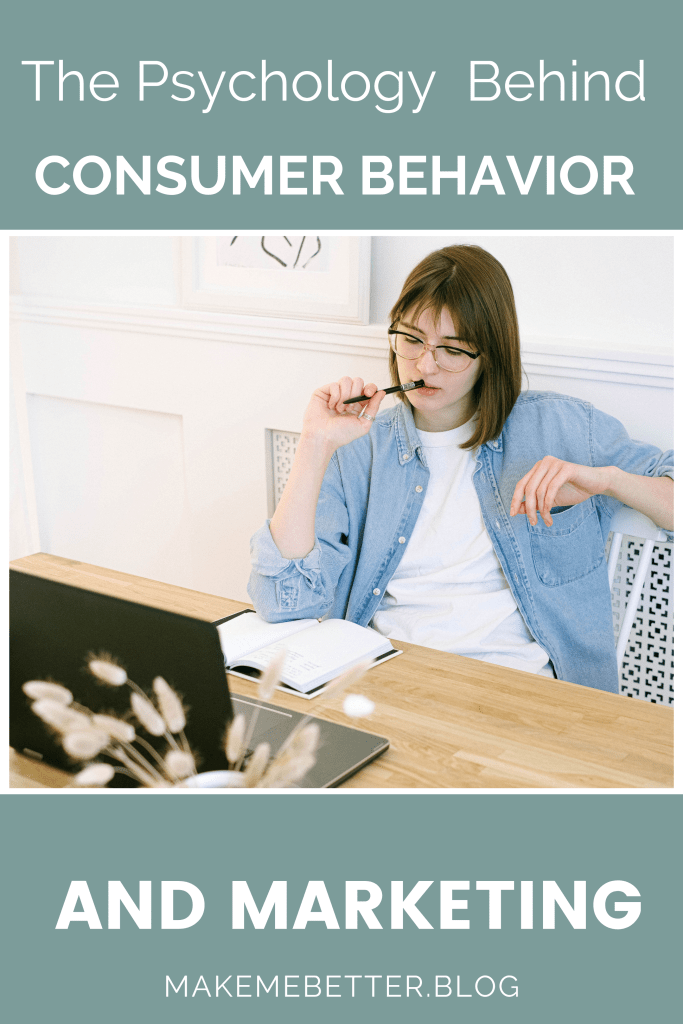
In this article, we’ll dive into the key psychological principles behind consumer behavior and how marketers can use these insights to create more successful strategies.
What is Consumer Behavior?
Consumer behavior refers to the actions and decision-making processes of individuals when selecting, purchasing, and using products or services. This behavior is influenced by a variety of factors, including personal preferences, emotions, social influences, and marketing stimuli.
By understanding what drives people’s decisions, businesses can better meet their needs, position their products effectively, and build stronger relationships with their customers.
Key Psychological Factors in Consumer Behavior
Several psychological factors play a major role in shaping consumer behavior. Let’s take a look at some of the most important ones.
1. Perception
Perception is how consumers interpret information about products and brands. It’s influenced by various sensory inputs, such as visuals, sounds, and even scents. A consumer’s perception of a product can be shaped by advertising, product design, packaging, and even word of mouth.
For example, a luxury brand may use sleek, minimalistic design and sophisticated language in its ads to evoke a sense of exclusivity. By controlling perception, brands can influence how consumers feel about their products and, in turn, their purchasing decisions.
2. Emotions
Emotions are a powerful force in consumer behavior. Consumers often make purchasing decisions based on how they feel rather than on rational thought. Marketers understand this and use emotional triggers in their campaigns to create a connection with their audience.
For example, a car company might focus on the feelings of freedom, adventure, and status that come with owning their vehicle, rather than just listing technical specs. Positive emotions like happiness, trust, or excitement can lead to brand loyalty, while negative emotions like fear or anxiety can push consumers to avoid certain products.
3. Social Influence
Human beings are social creatures, and our purchasing decisions are often influenced by the opinions and behaviors of others. Social proof, like customer reviews, testimonials, and celebrity endorsements, can sway a consumer’s decision to purchase a product. People tend to follow trends, and the popularity of a product or service can boost sales.
Social media has become a powerful tool in this regard, allowing brands to leverage influencers and user-generated content to create buzz and encourage consumer engagement.
4. Scarcity and Urgency
The fear of missing out (FOMO) is a psychological trigger marketers often use to drive sales. When consumers believe a product is scarce or available for a limited time, they feel a sense of urgency to act quickly.
This principle is commonly seen in “limited time offer” campaigns or “only a few left” messages on e-commerce websites. Scarcity creates the impression that the product is highly valuable, motivating consumers to make a purchase before it’s too late.
5. Cognitive Dissonance
Cognitive dissonance occurs when a consumer experiences discomfort due to conflicting thoughts or feelings, particularly after making a purchase. For example, a customer might feel uncertain after buying an expensive item, wondering if they made the right choice.
Marketers address cognitive dissonance by offering reassurance through follow-up emails, satisfaction guarantees, or showcasing positive customer reviews. By reducing this discomfort, they can help the customer feel more confident in their decision, increasing the likelihood of repeat purchases.
6. The Power of Habits
Consumer habits also play a crucial role in purchasing behavior. Once consumers form a habit of buying a certain brand or product, they’re likely to continue doing so with little conscious thought. Brands that offer consistency in quality and experience can build long-term customer loyalty by becoming part of a consumer’s routine.
Marketers can reinforce habits by creating subscription models, loyalty programs, or offering regular discounts, encouraging repeat business and fostering brand loyalty.
Applying Consumer Psychology in Marketing
Now that we’ve explored the key psychological factors influencing consumer behavior, let’s look at how marketers can use these insights to create more effective strategies.
1. Craft Compelling Stories
Storytelling is an incredibly powerful tool in marketing. By weaving your product or brand into a narrative that connects with your audience on an emotional level, you create a memorable experience. Whether it’s a feel-good story of transformation or a relatable challenge your product solves, stories help build emotional connections and make your brand more relatable.
2. Leverage Social Proof
Consumers trust other consumers more than they trust brands. Incorporating reviews, testimonials, and user-generated content into your marketing can build credibility and encourage others to make a purchase. Influencers and celebrity endorsements also work well, especially when they’re seen as authentic and aligned with the brand’s values.
3. Create a Sense of Urgency
Using scarcity and urgency is a tried-and-true tactic to drive quick action. Limited-time offers, countdown timers, and highlighting low stock can push consumers toward making an immediate purchase. Be sure not to overuse this tactic, as it can lose its effectiveness if customers start to see it as a manipulative strategy.
4. Appeal to Emotions
Marketers should craft messages that evoke emotions aligned with their brand’s core values. Whether it’s excitement, comfort, or empowerment, emotional marketing resonates with consumers on a deeper level, creating lasting impressions.
For example, charitable brands may focus on feelings of goodwill, showing how every purchase supports a cause, while fashion brands might appeal to the desire for confidence and individuality.
5. Ease Post-Purchase Dissonance
To prevent cognitive dissonance, follow up with customers after their purchase. Offer reassurance through satisfaction guarantees, thank-you notes, or showcasing customer success stories. Addressing any buyer’s remorse will increase their satisfaction and likelihood of making future purchases.
Final Thoughts
The psychology behind consumer behavior is a complex but valuable field for marketers to understand. By tapping into the cognitive and emotional factors that influence purchasing decisions, businesses can create more targeted, impactful marketing strategies that resonate with their audience. When consumers feel understood, they are more likely to engage with and trust a brand, leading to stronger relationships and increased loyalty.
Understanding your audience’s behavior and mindset is the key to not only driving sales but also building a brand that truly connects with people on a deeper level.

Ready to boost your income with affiliate marketing?
Join Sara Finance’s Affiliate Marketing Course and learn proven strategies to earn passive income online. Start today and unlock your financial freedom!
 Make Me Better Thrive
Leave a comment