A landing page is often the first interaction a potential customer has with your business, and it’s crucial that it makes a strong impression. The goal is simple: convert visitors into leads or customers. Whether you’re promoting a product, collecting email addresses, or guiding users through a sales funnel, your landing page must be strategically designed and crafted to meet the needs of your audience while motivating them to take action.
Creating a high-converting landing page involves more than just an attractive design—it requires the right combination of content, functionality, and persuasive elements. In this article, we’ll explore the best practices for designing landing pages that not only capture attention but also drive conversions.
1. Clear and Compelling Headline
The headline is the first thing visitors see, and it must instantly communicate the value of your offer. A well-crafted headline should:
- Clearly explain the benefit of your product or service.
- Address the visitor’s problem and offer a solution.
- Be concise and direct, avoiding unnecessary jargon or fluff.
Example: If you’re promoting a free eBook on affiliate marketing, a headline like “Unlock Proven Strategies for Affiliate Marketing Success (Free eBook)” would clearly convey value and offer.
2. Focus on One Goal (Avoid Distractions)
A landing page should have one primary objective, whether it’s getting users to sign up, make a purchase, or download content. By focusing on a single goal, you remove distractions and increase the chances of conversion.
- Remove navigation menus or any links that lead visitors away from the page.
- Limit secondary CTAs (Call to Actions) that might confuse or distract users.
- Avoid clutter—only include the essentials needed to guide the user toward the desired action.
By narrowing your focus, you guide users along a clear path toward conversion.
3. Use Strong and Clear Calls to Action (CTAs)
The CTA is the action you want your visitors to take, and it should be clear, visible, and action-oriented. The button text should be specific and tell visitors exactly what to do next.
- Use action words like “Get Started,” “Download Now,” “Sign Up for Free,” or “Claim Your Offer.”
- Make the CTA button stand out by using a contrasting color and positioning it prominently on the page.
- Consider placing the CTA multiple times throughout the page—at the top, middle, and bottom—so users always know what to do next.
4. Create Persuasive Content
The content on your landing page should explain why your offer is valuable and why visitors should take action immediately. Here’s how to make your content persuasive:
- Highlight benefits, not just features: Explain how your product or service improves the user’s life, rather than just listing features.
- Use social proof: Testimonials, reviews, and case studies help build trust. Show potential customers that others have had success with your offer.
- Use urgency: Create a sense of urgency by using phrases like “Limited-time offer” or “Hurry, only X spots left.”
- Keep content concise: People often skim landing pages, so make sure your key points are easy to read and quickly understood.
Example: Instead of just listing product features, explain how your product will save time, money, or improve efficiency for your audience.
5. Optimize for Visual Appeal
The design of your landing page plays a huge role in guiding visitors’ attention and improving conversions. A visually appealing, easy-to-navigate page enhances user experience and makes your content more digestible. Here are key design elements to consider:
- White space: Allow for enough white space between elements to avoid overwhelming users and keep them focused on the CTA.
- Typography: Choose legible fonts, and use different font sizes to create a hierarchy. The headline should be bold, while the body text should be easy to read.
- Images and videos: Use high-quality images or videos that complement your message. Product images, explainer videos, or lifestyle photos can help create an emotional connection and clarify your offer.
- Responsive design: Ensure your landing page is mobile-friendly. A large portion of users will visit from mobile devices, and a responsive design ensures a seamless experience across all screen sizes.
6. Optimize Load Time and Speed
Visitors expect fast-loading pages, and a slow landing page can be a major turnoff. Even a few seconds of delay can significantly impact your conversion rates. To optimize your landing page speed:
- Compress images to reduce file sizes without compromising quality.
- Minimize the use of heavy scripts that might slow down page loading.
- Use tools like Google PageSpeed Insights to analyze and improve your page’s speed.
Faster loading times can improve both user experience and conversion rates.
7. A/B Testing for Continuous Improvement
A/B testing is essential to determine what works best for your audience. Test different elements of your landing page to see which versions drive more conversions. Some elements you can A/B test include:
- Headline variations
- CTA button text and color
- Images and videos
- Page layout and structure
By continuously testing and optimizing your landing page, you can incrementally improve its performance and achieve higher conversion rates over time.
8. Trust Signals and Security Features
Visitors are more likely to convert when they feel safe and trust the brand. Make sure your landing page includes trust signals, such as:
- SSL certificates: Display a padlock icon next to your URL to assure visitors that their information is secure.
- Privacy policies: Link to your privacy policy to reassure users that their data will be handled responsibly.
- Security badges: If you’re selling a product or service, include payment security badges like PayPal, Visa, or Mastercard logos to signal a safe transaction.
9. Effective Form Design
If your landing page includes a form (for sign-ups, downloads, or purchases), make sure it’s easy to complete. A complicated form can deter visitors from converting. Here’s how to optimize your form:
- Keep it short: Ask only for essential information. The fewer fields, the better.
- Use clear labels: Ensure each field is clearly labeled, so users know exactly what information is required.
- Show progress: If the form is long, show users how far along they are in the process with a progress bar.
10. Track and Analyze Conversion Metrics
Once your landing page is live, use tools like Google Analytics or conversion tracking to measure how well it’s performing. Pay attention to metrics like:
- Conversion rate: The percentage of visitors who take the desired action.
- Bounce rate: The percentage of visitors who leave the page without interacting.
- Average time on page: How long visitors stay on your landing page before leaving.
Use these insights to refine your page and make data-driven improvements.
Final Thoughts
Creating a high-converting landing page is not a one-time effort but an ongoing process of optimization and improvement. By applying best practices in design, content, and functionality, you can build a landing page that drives conversions and generates valuable leads. Remember to keep testing, iterating, and learning from your audience’s behavior to ensure continued success.
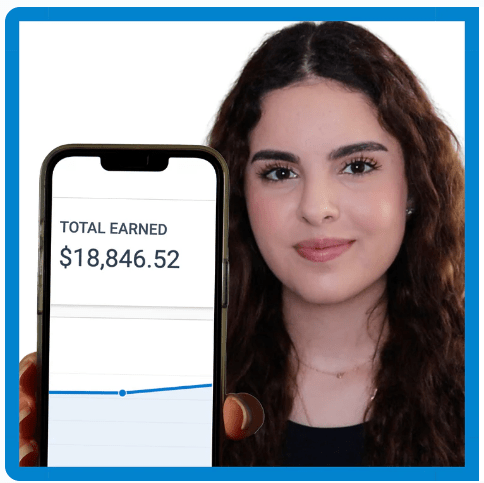
Ready to take your affiliate marketing to the next level? Join Sara Finance’s course today and start earning with proven strategies! Click here to get started!
 Make Me Better Thrive
Leave a comment