Attention Deficit Hyperactivity Disorder (ADHD) is often associated with children, but it also affects many adults. Adult ADHD can manifest differently than in children, leading to unique challenges in daily life. Recognizing the symptoms and exploring effective remedies can significantly improve the quality of life for those affected. This article delves into the symptoms of adult ADHD and offers practical remedies to manage the condition.
Symptoms of Adult ADHD
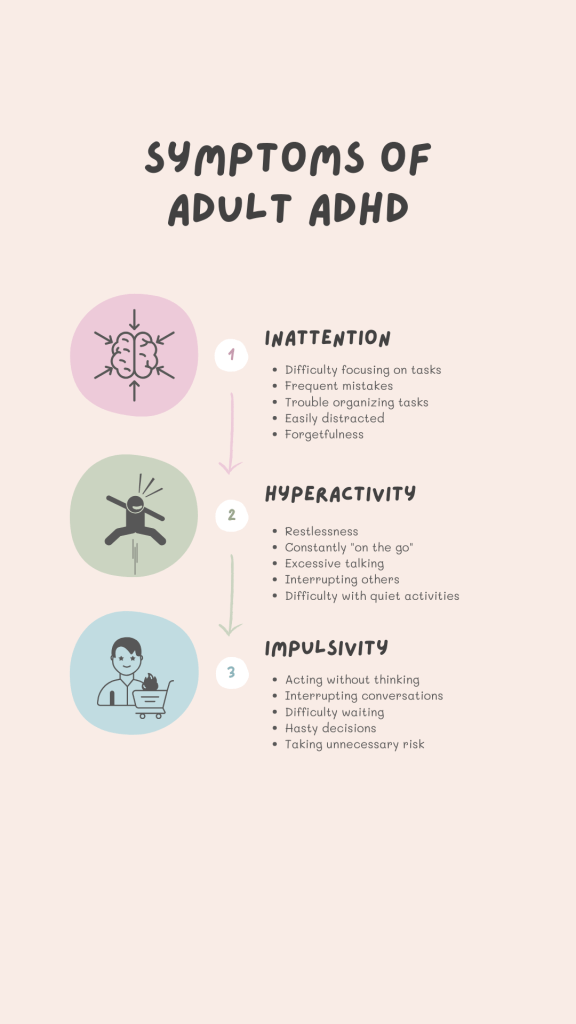
Adult ADHD symptoms can vary widely but generally fall into three main categories: inattention, hyperactivity, and impulsivity. Here are some common signs to look out for:
- Inattention:
- Difficulty focusing on tasks or activities
- Frequent mistakes due to lack of attention to detail
- Trouble organizing tasks and managing time
- Easily distracted by external stimuli or unrelated thoughts
- Forgetfulness in daily activities (e.g., missing appointments, losing items)
- Hyperactivity:
- Restlessness or an inability to stay seated for long periods
- Feeling constantly “on the go” or unable to relax
- Talking excessively or interrupting others
- Difficulty engaging in quiet, sedentary activities
- Impulsivity:
- Acting without considering the consequences
- Interrupting or intruding on others’ conversations or activities
- Difficulty waiting for one’s turn
- Making hasty decisions or taking unnecessary risks
Remedies for Managing Adult ADHD
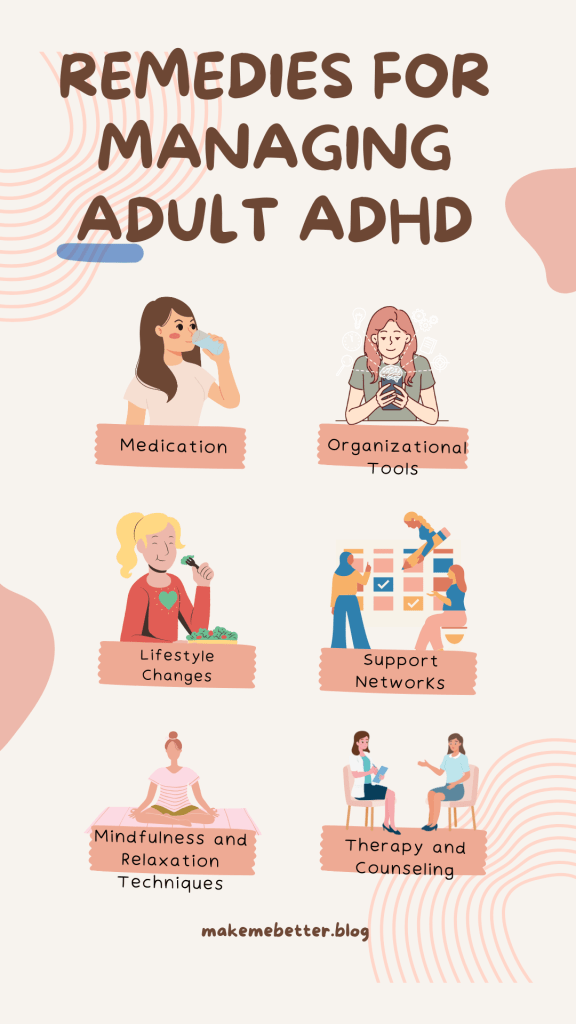
While there is no cure for ADHD, various strategies can help manage symptoms effectively. Here are some remedies that can make a significant difference:
- Medication:
- Stimulants: Medications like Adderall, Ritalin, and Vyvanse are commonly prescribed and can help improve focus and reduce impulsivity and hyperactivity.
- Non-stimulants: Drugs such as Strattera and Intuniv may be used if stimulants are ineffective or cause significant side effects.
- Therapy and Counseling:
- Cognitive Behavioral Therapy (CBT): CBT can help change negative thought patterns and behaviors, improving time management, organizational skills, and self-esteem.
- Coaching: ADHD coaches can provide practical advice and support in managing daily tasks and achieving personal goals.
- Lifestyle Changes:
- Exercise: Regular physical activity can reduce ADHD symptoms by increasing dopamine levels, which play a role in attention and behavior regulation.
- Diet: Eating a balanced diet rich in omega-3 fatty acids, protein, and complex carbohydrates can support brain health and improve focus.
- Sleep: Ensuring adequate and consistent sleep is crucial for managing ADHD symptoms. Create a bedtime routine and avoid stimulants like caffeine close to bedtime.
- Organizational Tools:
- Planners and Calendars: Use planners, calendars, and to-do lists to keep track of tasks, appointments, and deadlines.
- Timers and Alarms: Set timers for tasks to stay on track and avoid spending too much time on one activity.
- Decluttering: Create an organized and clutter-free environment to reduce distractions and improve productivity.
- Mindfulness and Relaxation Techniques:
- Meditation: Practicing mindfulness meditation can help improve focus and reduce stress.
- Breathing Exercises: Deep breathing exercises can calm the mind and improve attention.
- Support Networks:
- Support Groups: Joining support groups, either in-person or online, can provide a sense of community and shared experiences.
- Family and Friends: Educate your loved ones about ADHD to foster understanding and support.
Conclusion
Adult ADHD can present significant challenges, but understanding the symptoms and implementing effective remedies can greatly improve daily functioning and overall well-being. Whether through medication, therapy, lifestyle changes, or organizational tools, there are many ways to manage ADHD symptoms and lead a fulfilling life. If you suspect you have ADHD, consult with a healthcare professional for an accurate diagnosis and personalized treatment plan. Remember, with the right strategies and support, managing adult ADHD is entirely possible.


Leave a comment