Introduction
In today’s highly competitive digital landscape, personalization has become essential for standing out and connecting with audiences on a deeper level. Consumers now expect brands to understand and anticipate their needs, making a one-size-fits-all approach in marketing less effective. Personalization in digital marketing goes beyond simply addressing a customer by name; it’s about curating content, offers, and interactions that resonate with each customer’s unique preferences, behaviors, and buying journey. Here’s a guide on why personalization is important and how to create tailored marketing strategies that engage and convert.
Why Personalization Matters in Digital Marketing
- Enhanced Customer Experience
Personalization elevates the customer experience by providing relevant and meaningful interactions. Instead of being bombarded by generic ads, customers receive content and offers that align with their interests and needs, making the journey more enjoyable and efficient. - Increased Engagement
When content is customized, customers are more likely to engage. According to studies, personalized emails, product recommendations, and retargeting ads often result in higher open rates, click-through rates, and ultimately, conversion rates. - Building Customer Loyalty and Trust
When customers feel that a brand truly understands them, they are more likely to trust and remain loyal to that brand. This loyalty translates to repeat purchases and potentially, word-of-mouth recommendations, which can have a powerful impact on a brand’s growth. - Improved Conversion Rates
Personalized marketing has been shown to increase conversion rates by delivering the right message at the right time. Customers are more inclined to make purchases when marketing efforts align with their current needs, creating a more seamless path to conversion. - Gaining a Competitive Advantage
In a world where consumer expectations are at an all-time high, companies that invest in personalization often gain an edge over competitors. Personalized experiences can set a brand apart in crowded markets, fostering a stronger connection with audiences and attracting more dedicated customers.
How to Personalize Digital Marketing Campaigns
1. Leverage Customer Data Wisely
Data is the backbone of any personalized marketing campaign. Collect and analyze data on customer behavior, purchasing history, and demographics. Use tools such as Google Analytics, CRM software, and social media insights to gather and organize this information.
- Segmentation: Divide customers into segments based on shared characteristics like purchase history, browsing behavior, location, or demographics. This segmentation allows for tailored messaging for each group.
- Data Privacy: Always be transparent about data collection and adhere to data privacy laws, such as GDPR, to ensure customer trust.
2. Use Personalized Email Campaigns
Email is one of the most effective channels for delivering personalized content directly to customers.
- Dynamic Content: Customize email content to reflect the recipient’s recent activity. For instance, if a customer viewed specific products but didn’t purchase, send a follow-up email featuring those items.
- Personalized Subject Lines: Use the customer’s name or refer to a recent interaction to increase the chances of your email getting opened.
- Behavioral Triggers: Set up automated emails based on customer actions, such as cart abandonment reminders, product recommendations, or re-engagement emails.
3. Optimize Website Experience
A personalized website experience can significantly improve customer engagement and conversion.
- Personalized Recommendations: Use data to suggest products or content based on the user’s past behavior. Netflix and Amazon are examples of companies that use algorithms to offer tailored suggestions.
- Dynamic Content on Landing Pages: Change the content, imagery, and offers on your landing pages to align with a visitor’s location, behavior, or preferences.
- Retargeting Ads: Retarget visitors who have engaged with your site but haven’t converted. Show them ads for products they viewed, or offer an incentive like a discount to encourage them to return.
4. Social Media Personalization
Social media platforms offer numerous ways to engage users with personalized content.
- Custom Audiences: Platforms like Facebook and Instagram allow you to create custom audiences based on previous interactions, website visits, or email lists. This enables you to run tailored ads that resonate with a specific group.
- Dynamic Ads: Use dynamic ads that automatically adjust content based on the audience. For example, showcasing a carousel of products that users have viewed on your website can be highly effective in bringing them back to purchase.
- Engage Directly: Social media allows brands to engage in real-time with their audience. Responding to comments or messages in a personalized manner helps build a stronger relationship with customers.
5. Utilize AI and Machine Learning
AI and machine learning are powerful tools for implementing advanced personalization strategies.
- Predictive Analytics: AI can help predict future customer behavior based on past data, enabling you to create targeted marketing campaigns proactively.
- Chatbots: AI-powered chatbots can deliver personalized assistance to website visitors, guiding them to products, answering questions, and offering tailored recommendations.
- Content Personalization: Machine learning can analyze user data to serve the most relevant content to each visitor. For example, news sites use this to display stories most likely to interest each reader based on their reading history.
6. Personalize Based on Customer Lifecycle Stages
Each customer is at a different stage in their relationship with your brand, from awareness to loyalty. Tailor your content to meet customers wherever they are in the lifecycle.
- Awareness Stage: Create educational content, such as blogs and videos, to introduce your brand and showcase value.
- Consideration Stage: Share comparisons, testimonials, and product demos to help potential customers make informed decisions.
- Decision Stage: Offer discounts, free trials, or product bundles to encourage purchase.
- Retention and Loyalty: Implement loyalty programs, send thank-you messages, and offer exclusive deals for repeat customers.
Overcoming Challenges in Personalization
While personalization is essential, it comes with its own challenges, particularly around data privacy and technological complexity. Here are a few tips for overcoming these issues:
- Prioritize Transparency: Make it clear to customers what data you’re collecting and how it will be used. This builds trust and allows them to feel more comfortable with personalization.
- Invest in the Right Technology: Select tools that support personalized campaigns and can easily integrate with your existing systems.
- Test and Optimize: Regularly test your personalized campaigns to see what works and refine your approach based on data and feedback.
Conclusion
Personalization in digital marketing isn’t just a trend; it’s a powerful approach to creating a meaningful connection with your audience. By tailoring your campaigns to individual customer needs and preferences, you can enhance the customer experience, build loyalty, and ultimately drive better results. As you leverage data and technology to fine-tune your approach, remember that personalization is about respecting and understanding each customer, delivering value in a way that feels genuine and impactful.
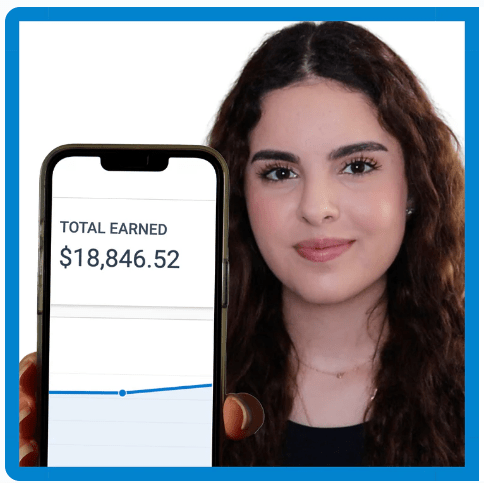
Ready to start earning from affiliate marketing? Learn the proven strategies with Sara’s course and take your income to the next level! 🌟 Click to join!”


Leave a comment